
Space Dust Points to Ancient Ice Beyond Neptune
A team from NASA and UCLA found a distinctive oxygen signature in minerals carried by dust particles that reached Earth.
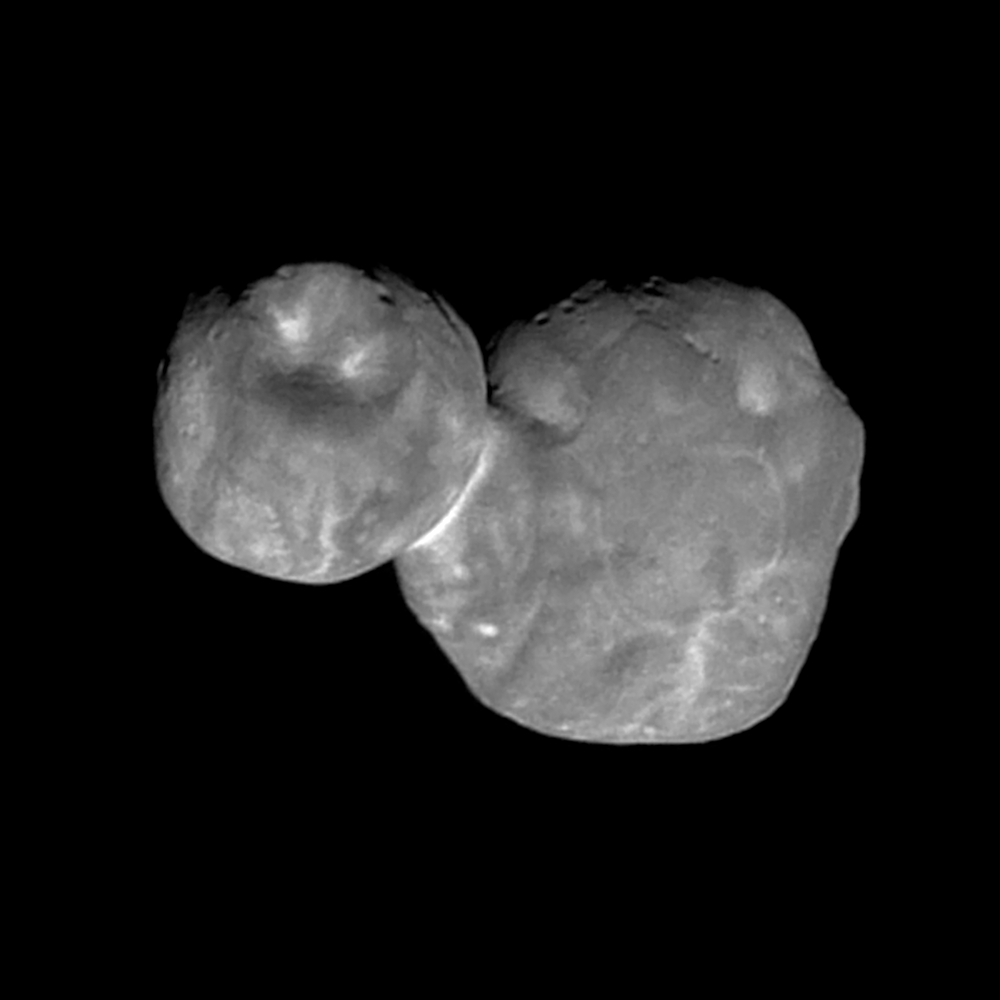
A study of tiny particles collected in Earth’s upper atmosphere has given researchers new evidence for an ancient supply of ice beyond Neptune. NASA reported the findings on 18 November, after scientists examined 12 grains of dust collected by one of its high-altitude aircraft.
The researchers traced the particles to the Kuiper Belt, a region of icy bodies beyond Neptune, using tracks left by energetic particles from the Sun. At the Johnson Space Center and the University of California, Los Angeles, the team examined the grains’ minerals and measured different forms of oxygen within them.
Some of the minerals had formed when water interacted with dust early in the solar system’s history. The oxygen measurements indicate that this water was especially rich in heavier forms of the element. The study identifies a chemical signature carried by dust that arrived at Earth.
Related signatures are uncommon in meteorites. NASA says the difference is consistent with the possibility that the giant planets limited how readily material mixed between the inner and outer solar system as planets formed.